
Professional plumbing services can help identify inefficiencies that may not be immediately visible, such as hidden leaks, outdated water heaters, or improperly maintained systems. By addressing these issues and implementing modern solutions, homeowners can improve system performance while reducing unnecessary energy use. Keep reading to explore how plumbing impacts energy efficiency, common sources of energy loss, and the ways a professional plumbing company can contribute to both cost savings and environmental benefits over time.
The Interconnection Between Plumbing and Energy Use
Your home's plumbing system plays a critical role in energy consumption. Properly functioning plumbing ensures that water is delivered efficiently to various areas in your home, which in turn affects the overall energy use. When pipes are old or inefficient, they cause disruptions that lead to higher energy outputs to maintain desired water temperatures. Therefore, it's crucial to understand how these systems interconnect with your home's energy use. By optimizing plumbing systems, homeowners can significantly improve energy efficiency.
Efficient plumbing systems work in tandem with your home's energy management. Whenever you have a wasteful plumbing setup, it inadvertently leads to increased energy usage. For example, malfunctioning water heaters or leaky pipes demand more energy to heat water, thus raising your utility bills. This is where understanding the symbiotic relationship between plumbing and energy use becomes indispensable. Regular assessments by a professional plumbing company can identify areas that require improvement to enhance efficiency.
Additionally, new technologies in the plumbing industry contribute significantly to energy conservation. Innovations like energy-efficient pumps and water-efficient fixtures work to reduce overall energy usage. A plumbing company equipped with this knowledge can implement these technologies effectively. To benefit from these advances, homeowners should engage knowledgeable plumbing experts who understand the integral relationship between plumbing systems and energy use. By doing so, energy efficiency can be holistically achieved.
Common Plumbing-Related Energy Losses
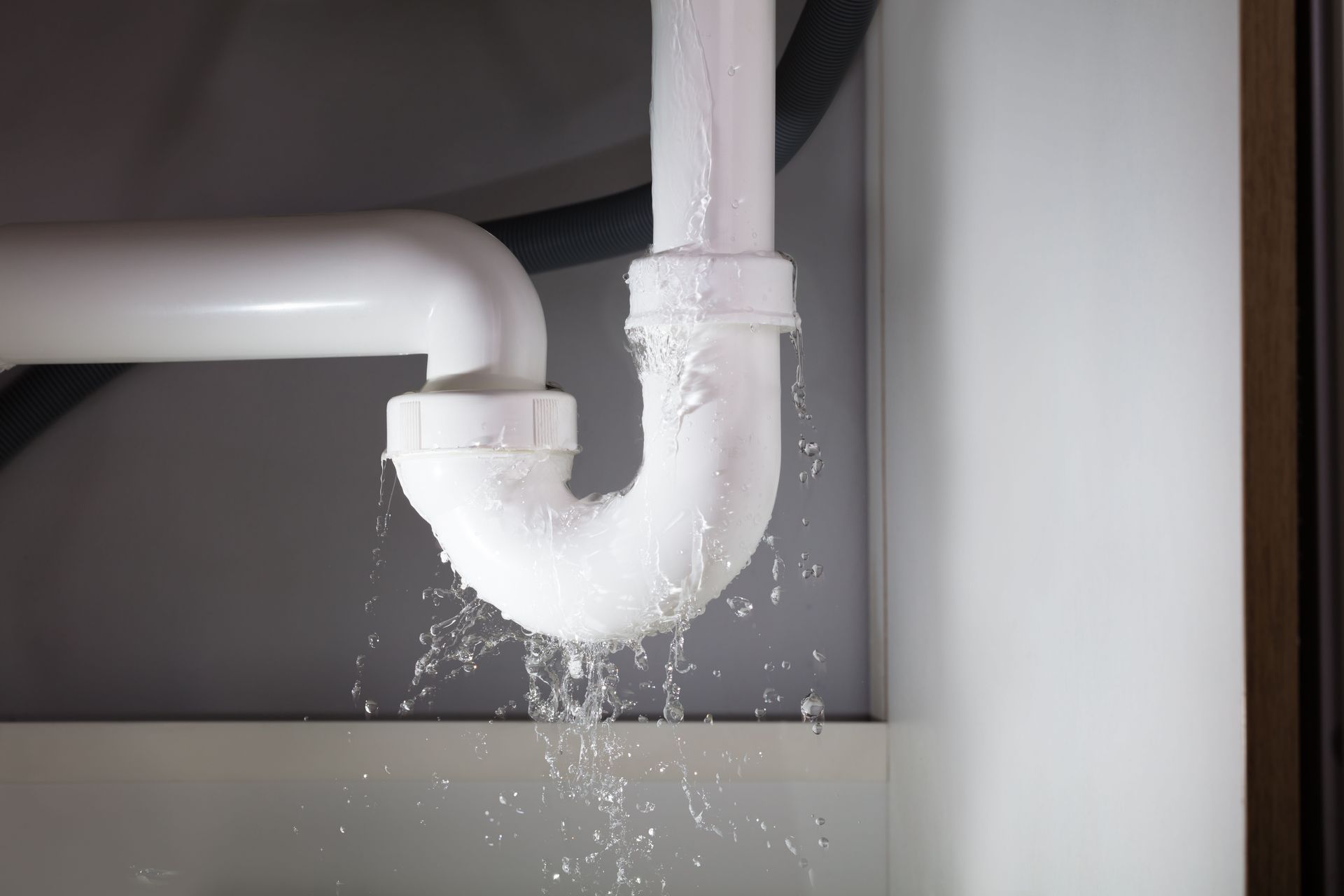
Plumbing-related energy losses can occur in several ways, leading to increased costs for households. Among the most common causes are leaks and inefficient water heaters, which can result in significant energy waste. Every drop of water lost through leaks represents not just water waste, but also the energy required to heat or transport that water. According to This Old House, water heating accounts for up to 18% of a home's total energy expenses. By addressing leaks and ensuring water heaters are operating efficiently, energy consumption can be minimized.
Water temperature settings also play a significant role in energy losses. If the water temperature is set too high, it can lead to excess energy usage, while temperatures that are too low may not be practical for household needs. Plumbing professionals can help set optimal water temperature settings, ensuring that energy losses are minimized without compromising on function. Through regular maintenance and inspections, these common energy losses can be identified and corrected to improve overall energy efficiency.
Insulation of pipes is another crucial factor in preventing energy loss. Uninsulated pipes can lead to heat loss, requiring more energy to maintain desired water temperatures. This is particularly important in colder climates where heat loss is more significant. Correctly insulating pipes ensures that heat is retained, leading to considerable energy savings. Plumbers are essential in identifying and implementing effective insulation strategies, thereby reducing energy-related costs.
Assessing Your Home's Current Plumbing Efficiency
Assessing the efficiency of your home's plumbing system is a task best left to professionals. An expert evaluation can reveal hidden issues that might be contributing to inefficient energy use. This can include everything from outdated fixtures and appliances to unnoticed leaks. Important metrics that need checking include pipe integrity, water pressure, and water heater performance. Comprehensive assessments by plumbing experts provide you with a clear roadmap to enhance your home's energy efficiency.
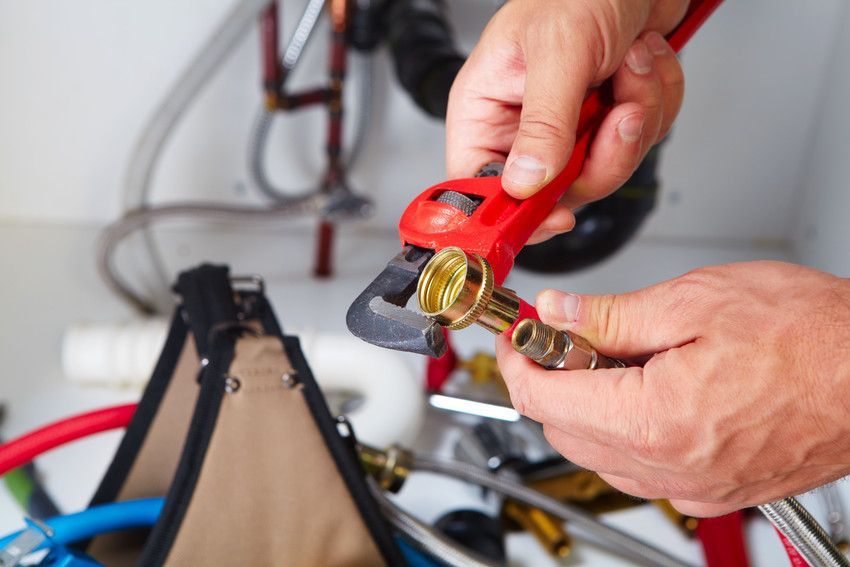
Several tools and techniques are utilized by professional plumbers to assess plumbing efficiency. Modern technology allows for accurate pressure testing, thermal imaging to detect hot or cold spots, and electronic leak detection methods. Each of these tools gives insight into the overall health of your plumbing system, offering a data-driven approach to enhancing efficiency. With this information, homeowners can make informed decisions about necessary repairs or upgrades.
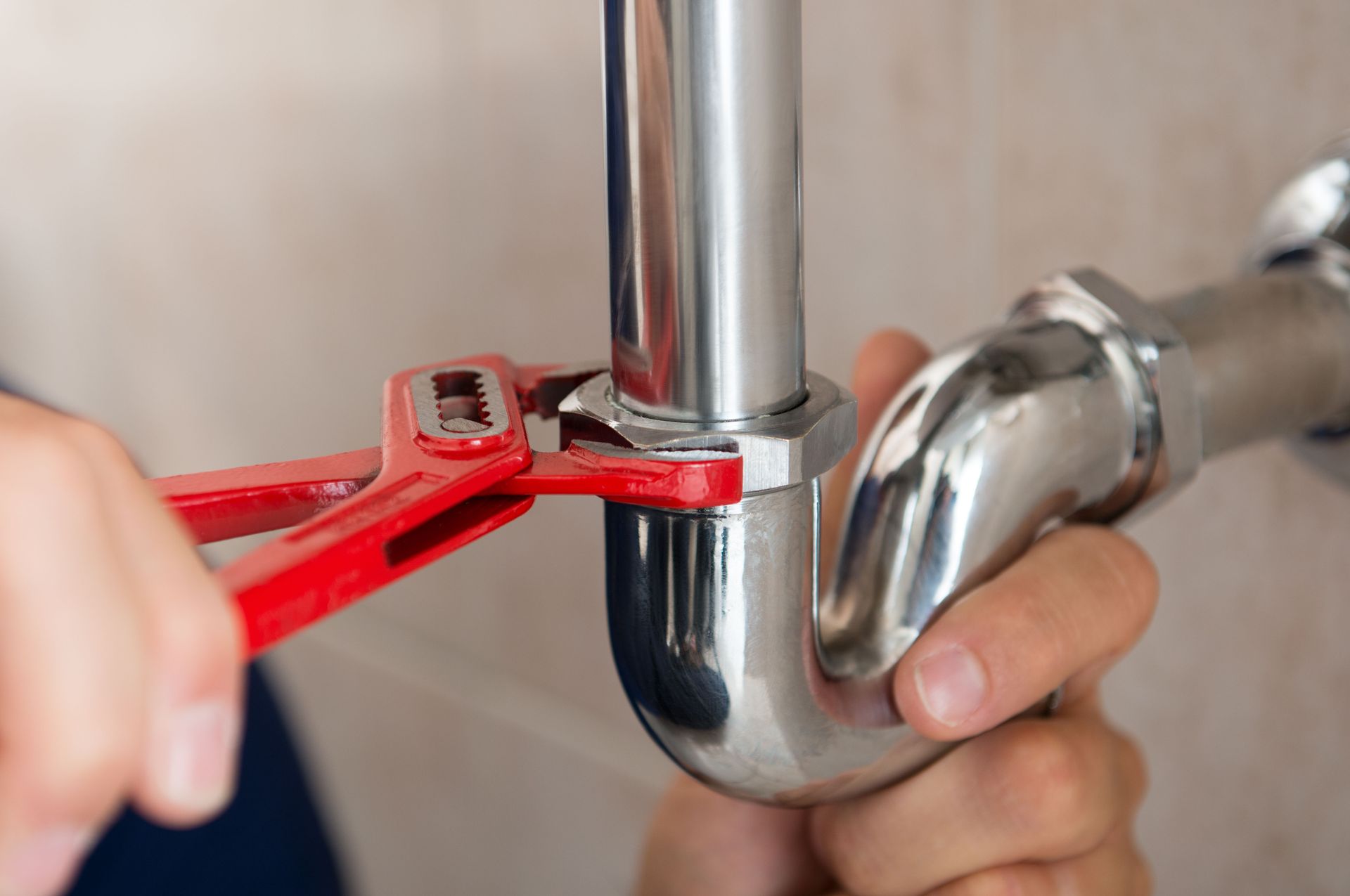
Beyond problem identification, professional plumbers also offer valuable suggestions for improvements. For example, switching to low-flow faucets and upgrading to energy-efficient appliances can make a significant difference. It is not just about identifying issues but also about implementing effective solutions. By relying on professional assessments, you save both energy and money in the long run. These evaluations serve as the first step toward a more energy-efficient home.
Role of Plumbing in Reducing Carbon Footprint
The plumbing industry has an essential part to play in reducing the carbon footprint of homes. By implementing energy-efficient plumbing solutions, a household can significantly lower its overall energy use. This reduction translates directly into fewer carbon emissions, contributing to a more sustainable and environmentally friendly existence. Eco-friendly plumbing practices also have the added benefit of cost savings, as reduced energy use leads to lower utility bills. In essence, adopting energy-efficient plumbing practices can make a substantial impact both environmentally and economically.
Several practices can help reduce a home's carbon footprint through plumbing. These include the installation of water-efficient fixtures and appliances, using sustainable materials, and optimizing heating systems to minimize energy consumption. By focusing on these areas, households can reduce both energy use and environmental impact. Engaging a professional plumbing company is often the best way to implement such eco-friendly practices. A plumbing company with expertise in sustainable solutions can guide homeowners on the most effective ways to achieve these goals.
Furthermore, educational initiatives can also play a role in reducing the carbon footprint associated with plumbing. By educating homeowners on best practices, such as regular maintenance and the proper use of fixtures, plumbing companies help promote more responsible water and energy use. Communities that prioritize sustainable plumbing solutions not only reduce their environmental impact but also enjoy greater economic benefits. By working collaboratively with plumbing professionals, the carbon footprint of individual households can be meaningfully reduced.
Innovative Plumbing Technologies Enhancing Energy Efficiency
Innovation in plumbing technology is one of the driving forces behind improved energy efficiency in modern homes. From advanced water heaters to smart leak detection systems, technology offers numerous opportunities to reduce energy consumption. Smart home technologies integrated with plumbing systems allow for real-time monitoring and adjustments, optimizing energy usage even further. These advancements are increasingly being utilized to enhance efficiency and minimize waste. By embracing these innovative technologies, homeowners can stay ahead of the curve in energy conservation.
One of the standout technologies in plumbing is the development of energy-efficient water heating systems. Tankless heaters, energy-efficient heat pumps, and solar-powered systems are becoming more accessible and cost-effective. Such innovations provide a steady supply of hot water with reduced energy use compared to traditional systems. Professional plumbers are often needed for the installation and maintenance of these advanced systems to ensure optimal performance and maximum savings. As these technologies become more popular, they play a key role in overall home energy conservation.
Another area of technological advancement is in water-saving fixtures and appliances. Low-flow toilets, aerated showerheads, and faucet flow restrictors are just a few examples of how plumbing technology has evolved to save water and energy. These innovations not only help in reducing energy bills but also promote sustainable living. By incorporating these technological advancements into plumbing systems, homeowners can achieve significant energy savings. Partnering with experienced plumbing professionals ensures these technologies are correctly implemented to maximize their benefits.
Working with a professional plumbing company provides homeowners with the ability to identify these issues early and implement practical, energy-conscious solutions. Through proper assessments, routine maintenance, and the adoption of modern technologies, plumbing systems can be optimized to support both cost savings and environmental responsibility. By taking a proactive approach to plumbing care, homeowners can create a more efficient, reliable, and sustainable home while maintaining long-term comfort and value. Give Hill & Hill Plumbing Co a call today to learn more about plumbing and your home's energy efficiency.
Share On: